










Opinion Editorial by Kevon Campbell, Logistics Specialist (CDEMA) and Jan Willem Wegdam, Shelter Advisor(IOM)

The Caribbean is no stranger to generosity. But without coordination, even the best intentions can become a secondary disaster, slowing down response efforts when every minute matters.
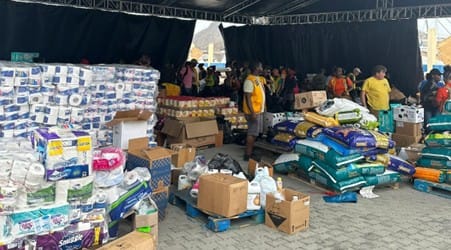
After major disasters, unsolicited and uncoordinated donations often overwhelm ports and warehouses: winter coats in tropical climates, expired food, mixed boxes nobody can sort, and tarpaulins too thin to withstand rain, all of which creates waste and diverts attention from urgent needs, instead of helping people in crisis.

Experience from the Caribbean Disaster Management Agency (CDEMA) and its Participating States shows that, without clear donation management policies, large volumes of inappropriate or unusable goods consume valuable time, personnel, and funding, placing significant strain on national logistics systems and delaying the delivery of essential items like food, water, shelter materials, and medical supplies. Moreover, up to 60 per cent of these unsolicited goods often go unused, ending up as waste, adding to environmental harm.
These challenges are not just operational but human: when response systems slow, vulnerable populations wait longer for life-saving relief.
Advertise with the mоѕt vіѕіtеd nеwѕ ѕіtе іn Antigua!
We offer fully customizable and flexible digital marketing packages.
Contact us at [email protected]