








WORLD AIDS DAY 2025: OVERCOMING DISRUPTION TO TRANSFORM THE AIDS RESPONSE IN THE CARIBBEAN

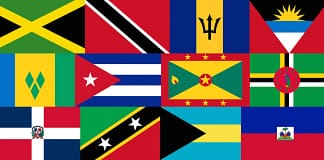
Kingston, December 1, 2025— The Joint United Nations Programme on HIV/AIDS (UNAIDS) Multi-Country Office for the Caribbean stands with governments, people living with and most affected by HIV, civil society and development partners to reaffirm our shared commitment to end AIDS as a public health threat in the region by 2030. The theme for this year’s commemoration of World AIDS Day, observed on December 1, each year, “Overcoming Disruption, Transforming the AIDS Response,” reflects the region’s progress and the urgent challenges threatening to reverse hard-won gains.
The climate crisis, high debt burdens, and slow economic growth are tightening fiscal space and constraining investments in health, education, and social protection. The Caribbean’s vulnerability is compounded by high dependence on external financing, which accounts for 66% of HIV resources in 2024. As global health aid declines by an estimated 30–40%, the region must guard against shrinking community services, widening inequalities, and emerging HIV prevention and treatment gaps.

Furthermore, climate shocks, including Hurricane Melissa’s recent devastation across Jamaica, Haiti, and Cuba, have disrupted care, displaced families, and deepened vulnerabilities for people living with HIV. Many people are now rebuilding their lives while trying to stay connected to HIV treatment, prevention, and basic support services. These obstacles exacerbate the challenges in a region where despite increasing numbers of people living with HIV on treatment, nearly 30% of them (90,000 people) are not in care and likely to present with advanced HIV disease and among those in care, many fall out of care and are not virally suppressed.

Yet despite these pressures, the region continues to demonstrate remarkable resilience and innovation. In close partnership with local communities, countries are sustaining hard-won gains and advancing the shared goal of ending AIDS as a public health threat.
The Caribbean’s resilience is proven, but resilience alone cannot counter shrinking resources and mounting shocks from social, economic, environmental and health inequalities. We must strengthen health systems, scale community-led solutions, and guarantee uninterrupted access to HIV prevention, treatment, and care services. Ending AIDS by 2030 demands urgency, unity, and renewed commitment.

As countries confront widening inequalities, service disruptions, and declining external financing, global solidarity becomes indispensable. No nation can close the remaining gaps in prevention, treatment, and protection of rights on its own. UNAIDS calls on the international community to stand with countries most affected by the epidemic, closing funding shortfalls, dismantling legal and social barriers, and fully resourcing community leadership at every level. This is essential for a sustainable and resilient HIV response.
UNAIDS urges Caribbean leaders to advance on the Sustainable Development Goal (SDG) 3.3 to end AIDS and embrace the Global AIDS Strategy 2026–2031 to be endorsed and presented to member states this month by deepening regional partnerships, strengthening health systems, safeguarding service continuity, and addressing stigma and discrimination. This includes expanding people-centered and rights-based access to prevention and treatment, and investing domestic resources in sustainable, community-led responses capable of withstanding future shocks.

On World AIDS Day 2025, UNAIDS reaffirms its commitment working with governments, civil society and people living with and most affected by HIV in the region to help in building a resilient, people-centred Caribbean HIV response, one that protects progress, strengthens community leadership, and ensures no one is left behind, even in the face of disruption.
Advertise with the mоѕt vіѕіtеd nеwѕ ѕіtе іn Antigua!
We offer fully customizable and flexible digital marketing packages.
Contact us at [email protected]