


Cities have always moved to the rhythm of their transit systems. The early morning rush. The late-night train home. The quiet break between peaks is like a pause button in an otherwise fast-forward world.
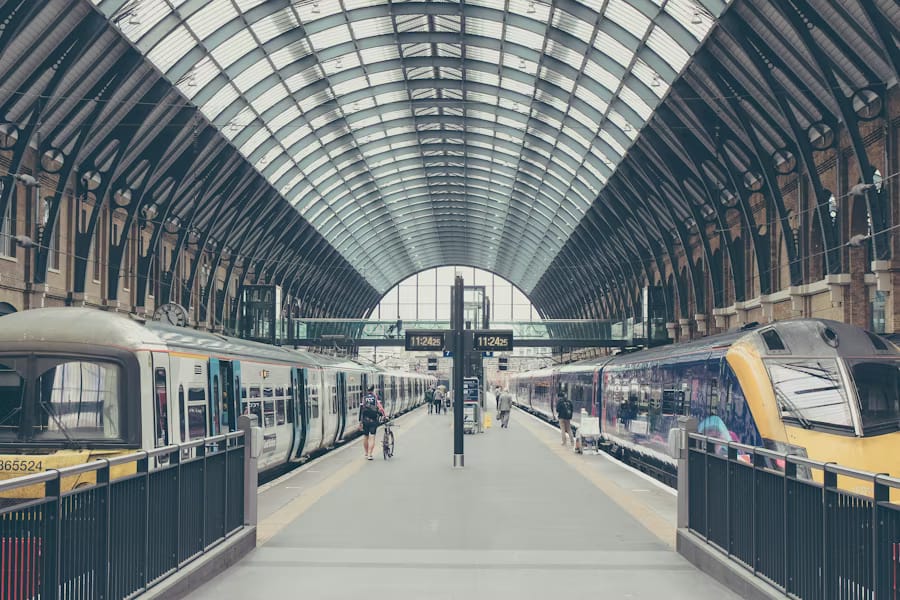
But something has shifted in recent years. Commuters are no longer just looking for a way from Point A to Point B. They want comfort. Flexibility. Safety. A sense that the journey itself has been considered, not just the destination.
Major transit hubs across the world are responding to that change, reshaping themselves into spaces that feel less like cold infrastructure and more like living parts of the city. Urban transit is not simply growing. It is adjusting to a new commuter mindset.
Transit Hubs Are Becoming More Than Transit
For decades, the typical station experience was functional at best. You arrived, you waited, you left. The station was a corridor, not a place.
Today, the most forward-thinking hubs are being redesigned as destinations in their own right.
Walk into a modern station in Singapore, London, or Tokyo, and you will notice the difference immediately. Natural light. Clear signage. Spaces to sit without feeling rushed.
These stations are no longer built only for trains or buses. They are built for people. The idea is simple but powerful: if commuters spend hours of their week passing through these spaces, why should they feel stressed, outdated, or unwelcoming? Instead, hubs are becoming urban living rooms. Places where movement and community overlap.
Designing for the Modern Commuter’s Lifestyle
The modern commuter is not one single person. It is a student balancing classes and part-time work. A parent managing school drop-offs. A remote worker travelling into the city twice a week instead of five times. Transit planners are finally acknowledging that commuting patterns have changed and continue to change.
Flexibility matters now. Stations are being designed to accommodate fluctuating schedules and mixed travel purposes. That means more real-time information displays, better accessibility features, and smoother connections between different transport modes.
A commuter might take a bike to the station, hop on a train, then use a rideshare for the final stretch. Hubs must support that kind of layered journey. This is why you are seeing more integrated transit ecosystems, not isolated stops.
Smarter Technology, Less Friction
Technology has become one of the biggest drivers of transit transformation, but the best innovations are the ones you barely notice.
Contactless payments have removed the need for ticket lines. Mobile apps provide live updates that reduce uncertainty. AI-powered systems help manage crowds before platforms become dangerously packed.
In some cities, predictive maintenance is even being used to prevent breakdowns before commuters experience delays.
The future of transit is not striking for the sake of it. It is practical. It is about reducing friction. When commuting feels smoother, people feel calmer. That matters more than most planners once realised.
Convenience Is Found in the Small Details
Sometimes, the most meaningful upgrades are the simplest ones. Commuters today carry more than just a briefcase. They may have gym bags, groceries, laptops, or weekend luggage. Transit hubs are responding with smarter storage solutions, allowing travellers to move through cities unburdened.
For example, in a busy station environment, features like secure lockers might not seem groundbreaking, but they reflect how good hubs are evolving. A commuter passing through Australia’s transport network might rely on something as specific as Melbourne Southern Cross Station lockers to store bags between meetings or while exploring the city, making the station experience far more flexible.
These details may seem minor, but they speak volumes. They show that stations are being designed with real daily and tourist routines in mind.
Sustainability Is No Longer Optional
Urban transit sits at the heart of climate conversations. Cities cannot cut emissions without reliable public transportation. Major hubs are now being built or retrofitted with sustainability as a baseline expectation, not a bonus feature.
Solar-powered station roofs, energy-efficient lighting, greener construction materials, and improved ventilation systems are becoming standard. Many cities are also prioritising electric bus fleets and rail expansions to reduce dependency on private vehicles.
The future commuter wants options that align with environmental responsibility, but they also want them to be efficient and affordable. The challenge is balancing both.
Safety, Comfort, and Trust in Public Spaces
Safety has taken on new meaning in modern transit design. They are incorporating more open layouts, better surveillance systems, and staff presence that feels supportive.
Comfort is also part of safety. Clean facilities, accessible restrooms, and well-maintained waiting areas build trust. When people trust the transit system, they use it more. That creates a positive cycle for cities.
The Rise of Transit-Oriented Communities
One of the most interesting shifts is happening beyond the station walls. Cities are increasingly building housing, offices, and public spaces around transit hubs. This concept, known as transit-oriented development, reduces travel time and encourages walkable neighbourhoods. Instead of designing transit as an afterthought, urban planners are making it the spine of city life.
For island nations and smaller regions, including places like Antigua and Barbuda, these ideas offer valuable lessons. As populations grow and tourism evolves, building smarter transit connections could shape future economic and community development.
What the Next Decade of Urban Transit May Look Like
The transit hub of the future will likely feel very different from the stations many people grew up with.
Expect more:
- Multi-use spaces with cafes, work areas, and greenery
- Seamless digital systems for navigation and ticketing
- Climate-conscious design and cleaner energy use
- Accessibility improvements that truly include everyone
The station will not just be a stop. It will be part of the city’s identity.
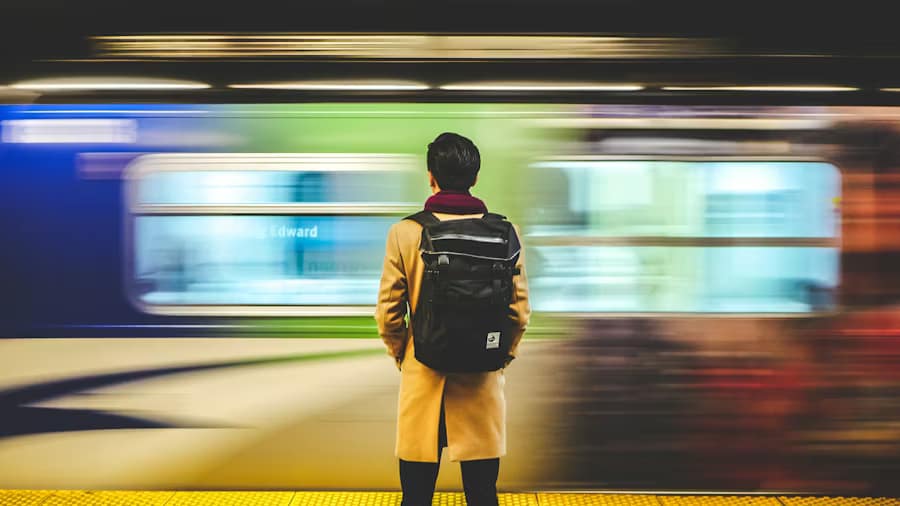
A Future Built Around Movement and Meaning
In the years ahead, the cities that thrive will not just be the ones that move fastest. They will be the ones who move with care. Because in the end, a transit hub is not just a place where journeys begin. It is where city life quietly unfolds, one commuter at a time.
Advertise with the mоѕt vіѕіtеd nеwѕ ѕіtе іn Antigua!
We offer fully customizable and flexible digital marketing packages.
Contact us at [email protected]

And we can’t even clean the gutters of ST JOHNS
Comments are closed.