






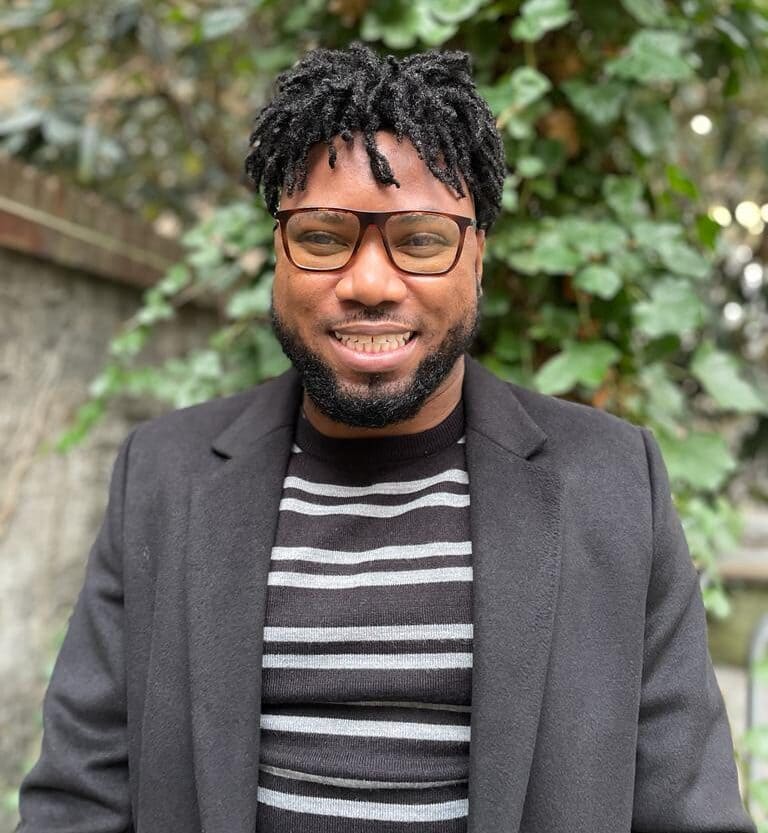


Offniel Lamont is a Sports Medicine Physiotherapist and Public Health Youth Advocate with Healthy Caribbean Youth (HCY), Jamaica Health Advocates – Youth Arm (JHAYA) and Fix My Food Jamaica (UNICEF Jamaica).
The Caribbean, known for its beaches and climate, now faces serious health challenges. Over half of adults and a third of children are overweight or obese, according to the Caribbean Public Health Agency (CARPHA, 2020). Surveys confirm obesity is widespread among all ages, putting future generations at risk.
The Children’s Right to Health and Play

The United Nations Convention on the Rights of the Child guarantees every child the right to the “highest attainable standard of health” and to “play and recreational activities” suitable for their age. Yet, these essential rights are repeatedly overlooked due to growing educational pressures, city living, and commercial forces. To address these neglects, we must examine how quality education, specifically through physical education (PE), supports lifelong health. UNESCO’s International Charter of Physical Education, Physical Activity (PA) and Sport acknowledges that recognising these rights is critical for quality education and lifelong health.

Addressing these challenges requires distinguishing PE from coaching. Coaching prepares individuals or teams for competition, while PE is a structured curriculum that develops movement, social skills, confidence, and lifelong healthy habits in all students. Physical education should be a core component, with governments using UNESCO’s guidelines to reform curricula. This distinction sets the stage for understanding the broader systemic health challenges facing young people in the Caribbean.
Today’s health challenges are systemic and varied:

- Physical inactivity is dangerously common, with fewer than one in three Caribbean teens meeting the World Health Organisation’s recommendation of 60 minutes of daily moderate-to-vigorous activity. Immediate action is needed.
- The rise of ultra-processed products, sugary drinks, and unhealthy fats in diets, accelerates the development of health risks and requires prompt intervention.
- Most cities lack safe, accessible play spaces, limiting children’s activity and compounding health risks.
Balance: A Child’s Right and Our Responsibility
In schools, academic priorities overshadow the need for PE, reducing activity and implying that play is secondary. This separation of development areas is a systemic issue endangering balanced childhood growth.
Excess academic pressure or unstructured leisure blocks can affect childhood growth. Physical activity boosts cognitive skills, mood, social ability, self-esteem, and resilience. It is a vital, non-negotiable part of education, necessary to prevent a generation from facing chronic health issues.
Solutions for the Caribbean
- Make PE mandatory, supported by trained teachers, resources, and regular evaluation. Update curriculum standards, invest in teacher training, fund equipment and facilities, and set a minimum weekly PE hours requirement. Monitor participation and outcomes, and engage school leaders, parents, and community partners for lasting support.
- Ensure Ministries work quickly and together to integrate play and healthy habits into every child’s day.
- Urgently provide safe, accessible play spaces in all communities, with a particular focus on low-income and urban areas. Allocate government resources, seek health grants, and partner with local businesses and NGOs. Mobilise community groups and sponsors to maintain safe play spaces in the long term.
- Ban ultra-processed products from schools, require daily movement programs, and conduct regular inspections, with clear standards and prompt consequences for non-compliance. Provide administrators with immediate support for implementation.
- Promote daily play and physical activity for every child—beyond sports—to protect their well-being now and in the future.
This urgency makes it clear: delays and inaction could produce irreversible consequences, affecting far more than just health.
Now is the time for action. Demand concrete programs and policies that put children’s health, play, and development first. Insist on measurable goals such as reducing childhood obesity by 10 per cent in the next decade and ensuring all schools provide at least 120 minutes of structured PA per week. Track clear benchmarks and share progress to inspire collective change. Raise your voice—call on our leaders, educators, and parents to act without delay. Our children’s future depends on immediate action. Join us and champion every child’s right to play and thrive.
Advertise with the mоѕt vіѕіtеd nеwѕ ѕіtе іn Antigua!
We offer fully customizable and flexible digital marketing packages.
Contact us at [email protected]