








CLICK HERE TO JOIN OUR WHAT’S APP GROUP

Written by: Suzette Roberts, BSc.
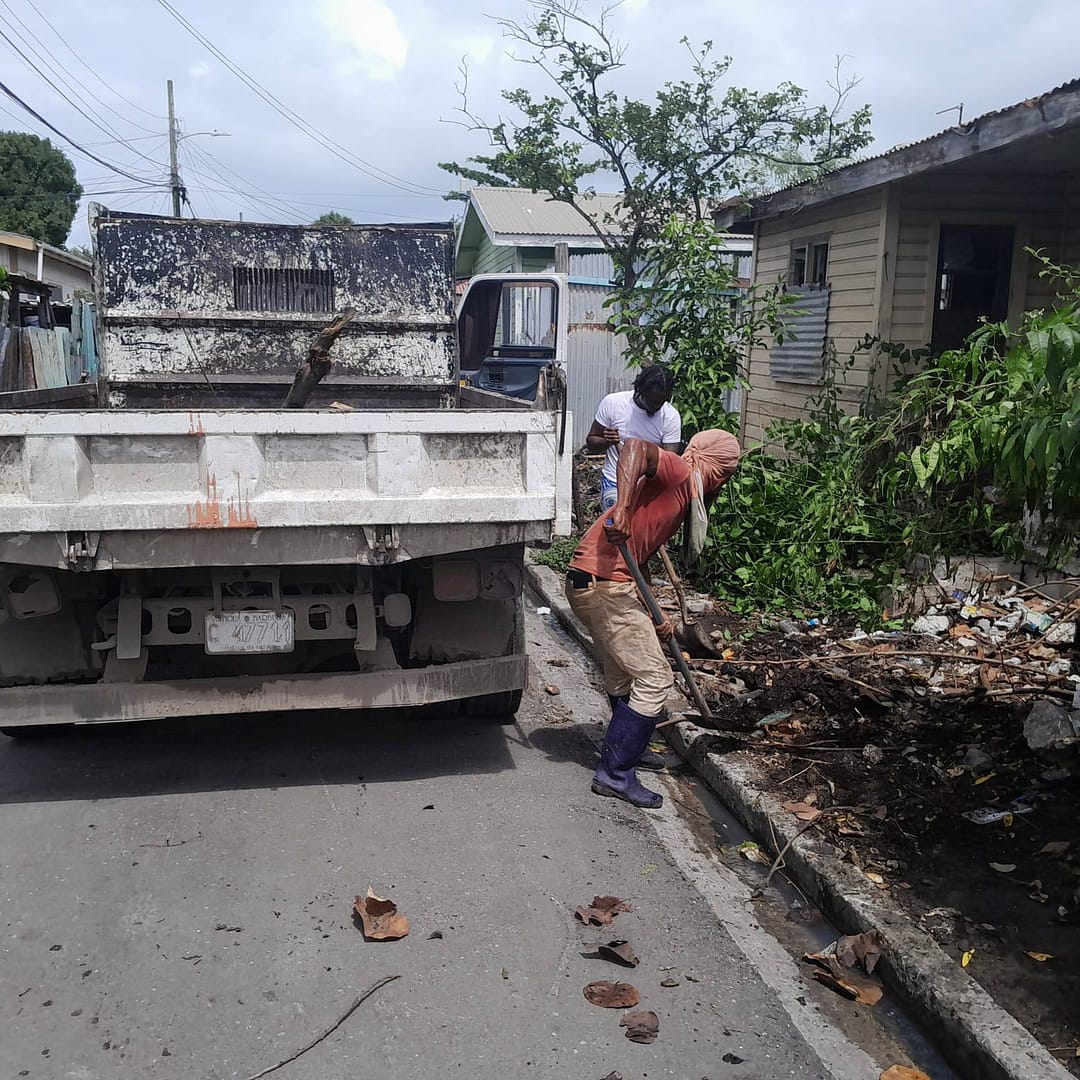
Recently, there has been increased discussion across our communities about civic pride and national image.

From politicians to environmental cadets, organised clean-up campaigns and community initiatives have become visible symbols of collective responsibility and social awareness.

A recently promoted Facebook page, Inspire Antigua and Barbuda, has embraced this spirit by highlighting uplifting stories that reflect the best of our nation.
These stories showcase community achievements, acts of kindness, youth accomplishments, and everyday moments of inspiration that often go unnoticed.

But what is driving this renewed focus on positive behaviour and community contribution? More importantly, how many of us recognise the growing connection between these behaviours and opportunities for career advancement and education?
What we are witnessing aligns with a significant shift in global hiring and admissions practices.

For years, recruitment decisions were guided by the 40/60 rule, where 40 per cent of the evaluation focused on behavioural traits and 60 per cent on technical competence. Today, that ratio has reversed.
The 60/40 model places greater emphasis on behaviour, while technical ability, though still important, has become secondary.
This shift is not theoretical; it is evidence-based. According to LinkedIn’s 2023 Workplace Learning Report, 89 per cent of new hire failures are attributed to a lack of soft skills rather than technical ability.
Employers are increasingly recognising that technical expertise alone does not guarantee effective performance, retention, or team cohesion.
Hiring managers have learned that behaviour plays a pivotal role in how individuals function within teams. Most organisational goals are achieved through collaboration, communication, and trust.
Research consistently shows that interpersonal skills, adaptability, and accountability are stronger predictors of long-term success than job-specific technical skills.
Customer service further reinforces this change. In service-driven economies, employee behaviour directly influences brand reputation and customer loyalty.
A single negative interaction can undermine years of technical excellence. Poor behaviour does not only affect morale—it affects revenue.
As a result, many organisations now prioritise emotional intelligence (EQ) over intelligencequotient (IQ).
A global talent survey reported that over 90 per cent of hiring professionalsconsider behavioural skills to be equally or more important than technical skills when making recruitment decisions.
Employers have recognised that while technical skills can be taught relatively quickly, behavioural traits such as integrity, empathy, resilience, and professionalism require long-term development.
This behavioural emphasis extends beyond employment into education.
Universities and tertiary institutions are no longer focused solely on academic performance. Increasingly, applicants are required to demonstrate involvement in community development, volunteerism, leadership, and civic engagement.
Personal statements and reference letters now assess character, values, and social contribution alongside grades.
Empirical studies on graduate employability support this trend, showing that students with strong communication skills, teamwork experience, and civic involvement are more likely to transition successfully into the workforce.
Behaviour, once considered supplementary, has become a decisive factor.
In this context, community involvement is no longer just commendable; it is strategic. Acts of kindness, volunteering, and positive social behaviour are increasingly viewed as indicators of employability and leadership potential.
The message is clear: who you are and how you behave now matter as much as what you know. As the 60/40 behavioural-first model continues to shape hiring and admissions decisions, individuals who invest in behavioural development will be better positioned to succeed in an evolving world of work.
Editorial Opinion
In my professional view, this shift is both necessary and overdue. Technical competence opens doors, but behaviour determines whether individuals remain inside—and thrive. Communities that nurture positive behaviour are, in effect, nurturing future employability.
Written by: Suzette Roberts, BSc.
CLICK HERE TO JOIN OUR WHAT’S APP GROUP
CLICK HERE TO JOIN OUR WHAT’S APP GROUP
CLICK HERE TO JOIN OUR WHAT’S APP GROUP
CLICK HERE TO JOIN OUR WHAT’S APP GROUP
CLICK HERE TO JOIN OUR WHAT’S APP GROUP
Advertise with the mоѕt vіѕіtеd nеwѕ ѕіtе іn Antigua!
We offer fully customizable and flexible digital marketing packages.
Contact us at [email protected]




@Suzette Roberts BSc, great article and points.
Like the old saying goes, manners and behavior take you all over the world.
Comments are closed.