






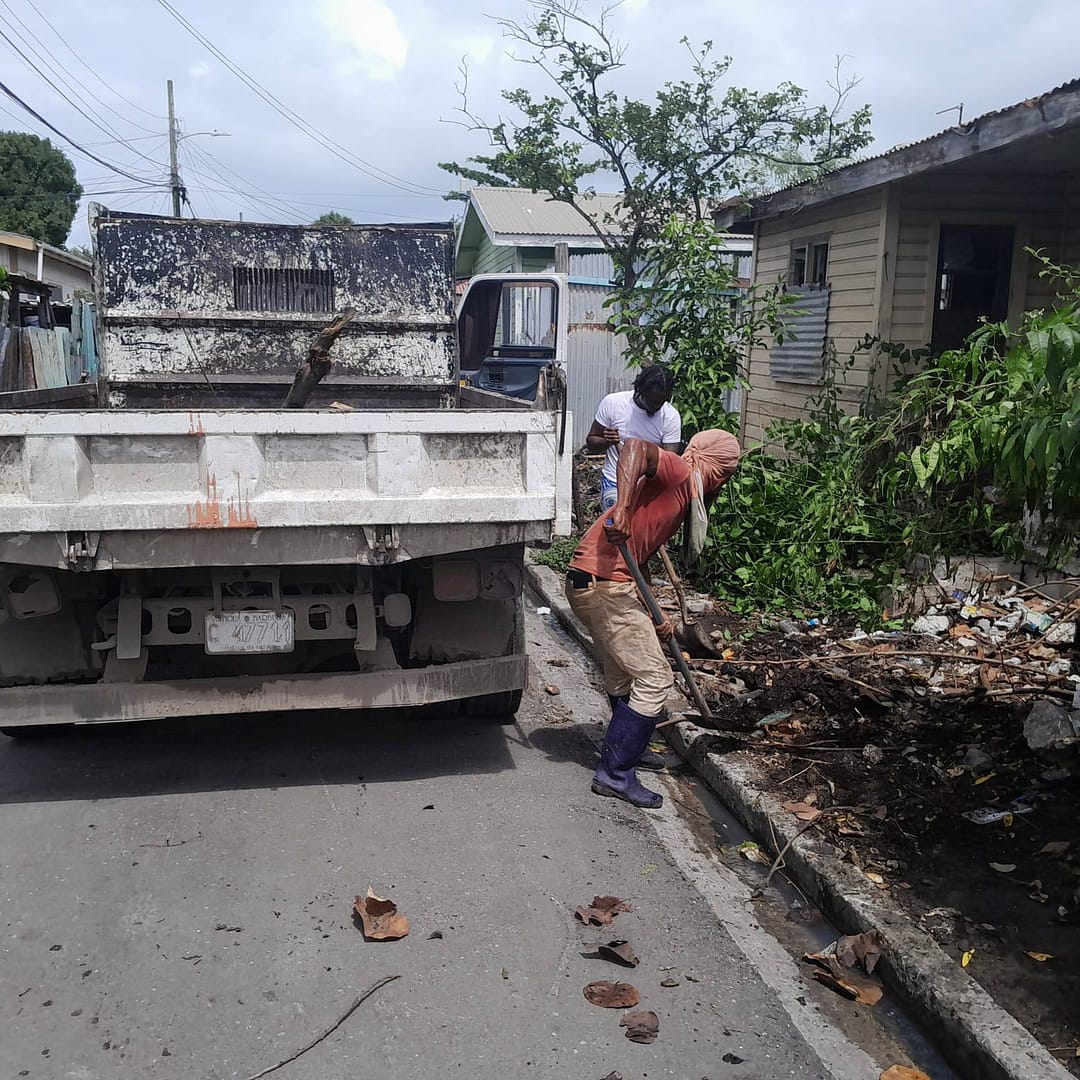



A nationwide cleanup campaign aimed at reducing rat infestations, mosquito breeding and illegal dumping is underway as part of a coordinated public health effort led by the Central Board of Health (CBH), officials said.

The initiative, being carried out in collaboration with the National Solid Waste Management Authority, the Royal Police Force, the Antigua and Barbuda Defence Force and the Public Works Department, is focusing on communities with high levels of illegal dumping, derelict vehicles, overgrown vegetation and blocked drains.
Julienne Mannix-Galloway, principal public health inspector at the Central Board of Health, said the campaign is designed to address serious public health risks, including rodent-borne diseases such as leptospirosis and mosquito-borne illnesses like dengue.

“The Central Board of Health is a regulatory body responsible for food safety, vector control and environmental inspections,” Mannix-Galloway said, noting that the agency plays a key role in reducing conditions that allow pests and disease to thrive .

A major component of the campaign involves baiting derelict vehicles and abandoned structures before they are removed. Mannix-Galloway said this step is critical to prevent rats from fleeing disturbed areas and migrating into nearby homes.
“If you don’t bait before removing these vehicles, you’re essentially destroying the rats’ shelter and forcing them to find new areas, including people’s homes,” she said .

Cleanup operations include the removal of bulk waste, clearing of vacant lots, cutting of overgrown vegetation, demolition of derelict buildings and flushing and deodorizing drains. The work is being carried out section by section across the country due to staffing and equipment limitations, with officials targeting completion by the end of the year.
Mannix-Galloway said improper waste disposal by residents continues to contribute to rodent and mosquito problems. Practices such as leaving food waste uncovered, overfeeding pets and allowing kitchen waste to flow directly into open drains create ideal conditions for pests.

“Rats carry many diseases, including leptospirosis, and mosquitoes breed in standing water found in discarded items like old appliances,” she said .
The CBH is also monitoring food establishments, particularly restaurants and small cook shops, for improper disposal of grease and food waste. Mannix-Galloway said inspectors require businesses to install and maintain grease traps and may order operations to cease if public health risks are identified.
Officials said the cleanup drive also supports national disaster preparedness, particularly ahead of the hurricane season. Cleared drains and vacant lots reduce the risk of flooding and related health hazards, with the National Office of Disaster Services involved in identifying vulnerable areas.
At the policy level, the Central Board of Health is calling for stricter enforcement of the Litter Act, arguing that repeated cleanups are costly and unsustainable without changes in public behavior.
“It’s a very expensive undertaking,” Mannix-Galloway said, adding that enforcement and public accountability are necessary to curb indiscriminate dumping and protect community health .
She urged residents to take advantage of the cleanup efforts by maintaining their properties after crews move on and adopting safer waste disposal practices.
“Love where you live,” Mannix-Galloway said.
Advertise with the mоѕt vіѕіtеd nеwѕ ѕіtе іn Antigua!
We offer fully customizable and flexible digital marketing packages.
Contact us at [email protected]



Nationwide seems to always mean St. John’s and neighboring villages and not the countyrside
Comments are closed.