






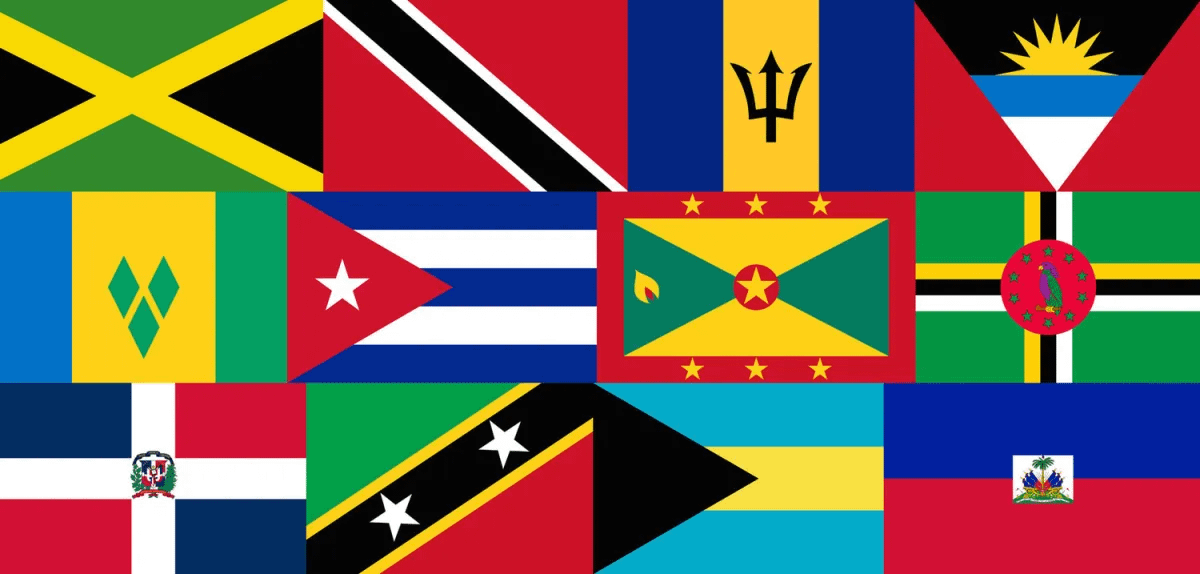



A new regional payment platform allowing Caribbean countries to settle transactions in their own currencies is set to enter a pilot phase, marking a major step toward financial integration and reduced dependence on foreign exchange.

Dr. Timothy N.J. Antoine, Governor of the Eastern Caribbean Central Bank (ECCB), said the CARICOM payment and settlement system will enable real-time, low-cost cross-border transactions across participating countries, with settlements handled between central banks.
The system, known as CAPS, will initially involve a group of regional central banks, including those of Barbados, The Bahamas, Trinidad and Tobago, and the Eastern Caribbean Currency Union.

Under the arrangement, individuals and businesses will be able to make payments in their local currencies, while central banks manage the net settlement behind the scenes, reducing the need for U.S. dollar transactions in intra-regional trade.

The initiative forms part of the ECCB’s broader push to modernize payment systems and strengthen financial independence across the Caribbean, as outlined in its 2026–2031 strategic plan.
Antoine said the move is expected to significantly lower transaction costs, improve efficiency, and facilitate greater trade and economic activity within the region.

“It will allow us to pay in our local currency and settle behind the scenes,” he explained, describing the system as a practical solution to long-standing barriers in regional commerce.
The introduction of CAPS comes alongside plans for a fast payment system within the ECCU, aimed at making everyday transactions quicker and more affordable for consumers and businesses.

Together, the initiatives are designed to create a more seamless financial ecosystem, reduce friction in payments, and expand access to modern financial services.
Regional policymakers have long pointed to high transaction costs and reliance on external currencies as obstacles to deeper Caribbean integration. The new system is expected to address both issues by strengthening monetary cooperation and enabling more efficient movement of funds across borders.
Antoine said the pilot phase will allow participating countries to test and refine the system before broader rollout, emphasizing that collaboration among governments and financial institutions will be key to its success.
The development is being viewed as a significant step toward greater financial autonomy for Caribbean economies, as the region seeks to build more resilient and self-sustaining economic systems.
Advertise with the mоѕt vіѕіtеd nеwѕ ѕіtе іn Antigua!
We offer fully customizable and flexible digital marketing packages.
Contact us at [email protected]